

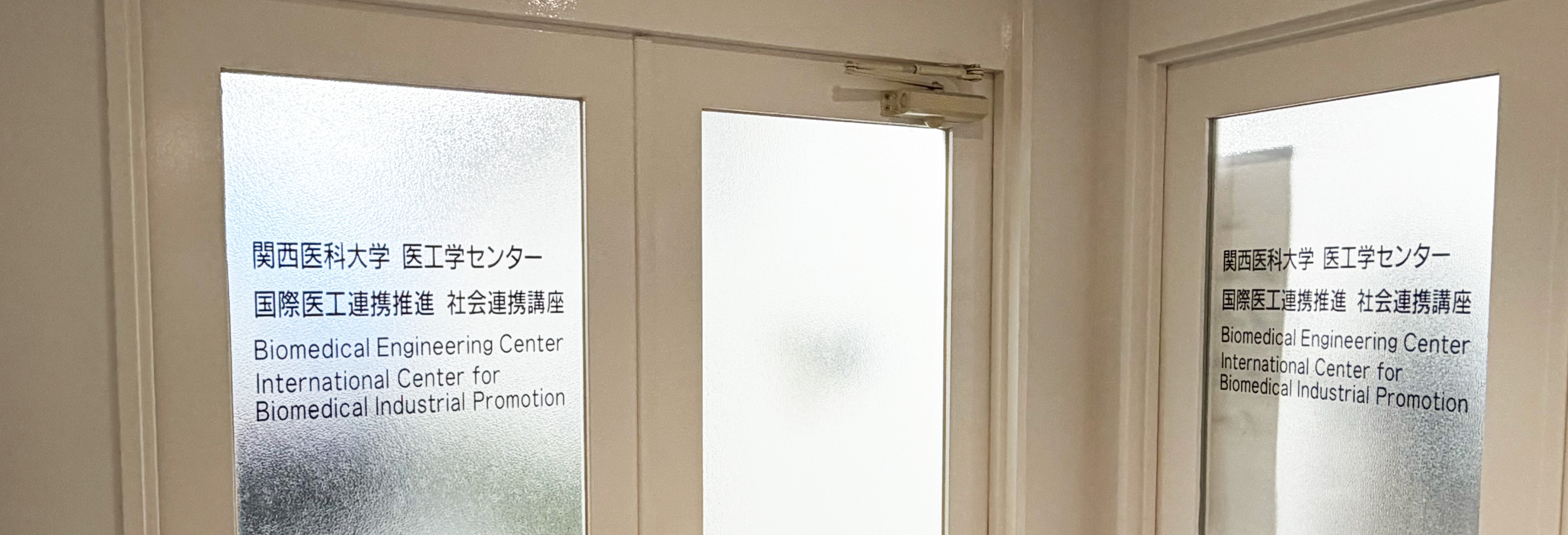
The Biomedical Engineering Center of Kansai Medical University opened on October 1, 2024. It is a research center that combines two major fields of medicine, biomedical engineering and translational medicine. The Center conducts international collaborative research with researchers from both within and outside the university, cooperating with universities and research institutes in Japan, Europe, and United States, across a wide range of fields; it also works with industries to promote social implementation of the scientific discoveries. The Center is equipped with cutting-edge spectroscopic equipment for Raman analysis, imaging and diagnosis; and, by combining it with machine learning and artificial intelligence algorithms, it aims at providing molecular medicine advances in healthcare. The Center conducts research that will be useful for early diagnosis of Alzheimer's disease and strokes, including analyses of dysbiotic oral flora and related clinical samples.
About Biomedical Engineering Center
Greetings
Molecular medicine is a field of medical science that focuses on understanding the molecular and genetic basis of disease in order to develop more precise diagnostic tools, targeted therapies, and preventive strategies. By examining how genes, proteins, and other molecules interact within cells and tissues, molecular medicine enables scientists and clinicians to uncover the root causes of illnesses rather than just treating symptoms. This approach has revolutionized modern healthcare, leading to breakthroughs in personalized medicine, cancer treatment, and the management of genetic disorders. Its importance lies in its potential to transform medicine from a reactive to a predictive and preventive discipline, ultimately improving patient outcomes and reducing healthcare costs.
Collaboration between medicine and engineering in Japan has become increasingly important in recent years. There are various factors behind this, but against the backdrop of an increase in elderly population and a decrease in working population, the need for advanced medical care, nursing care, and rehabilitation, and efficient medical care has increased, and there is a strong demand for the development of innovative solutions and advanced procedures of preventive care through the fusion of medicine and engineering. Moreover, there is a growing momentum to utilize new knowledge and technology generated by universities and research institutes to create new industries through innovation and revitalize the economy. Our Center works on all these items.
Going forward, we will work hard to act as a bridge to expand medical and engineering collaboration in a variety of fields, including the development of new drugs and new medical materials, establish a new research brand that is innovative and highly international, and promote social implementation through corporate collaboration using intellectual property. We look forward to hearing proposals from those who have an interest or ideas in various fields of medical and engineering collaboration.
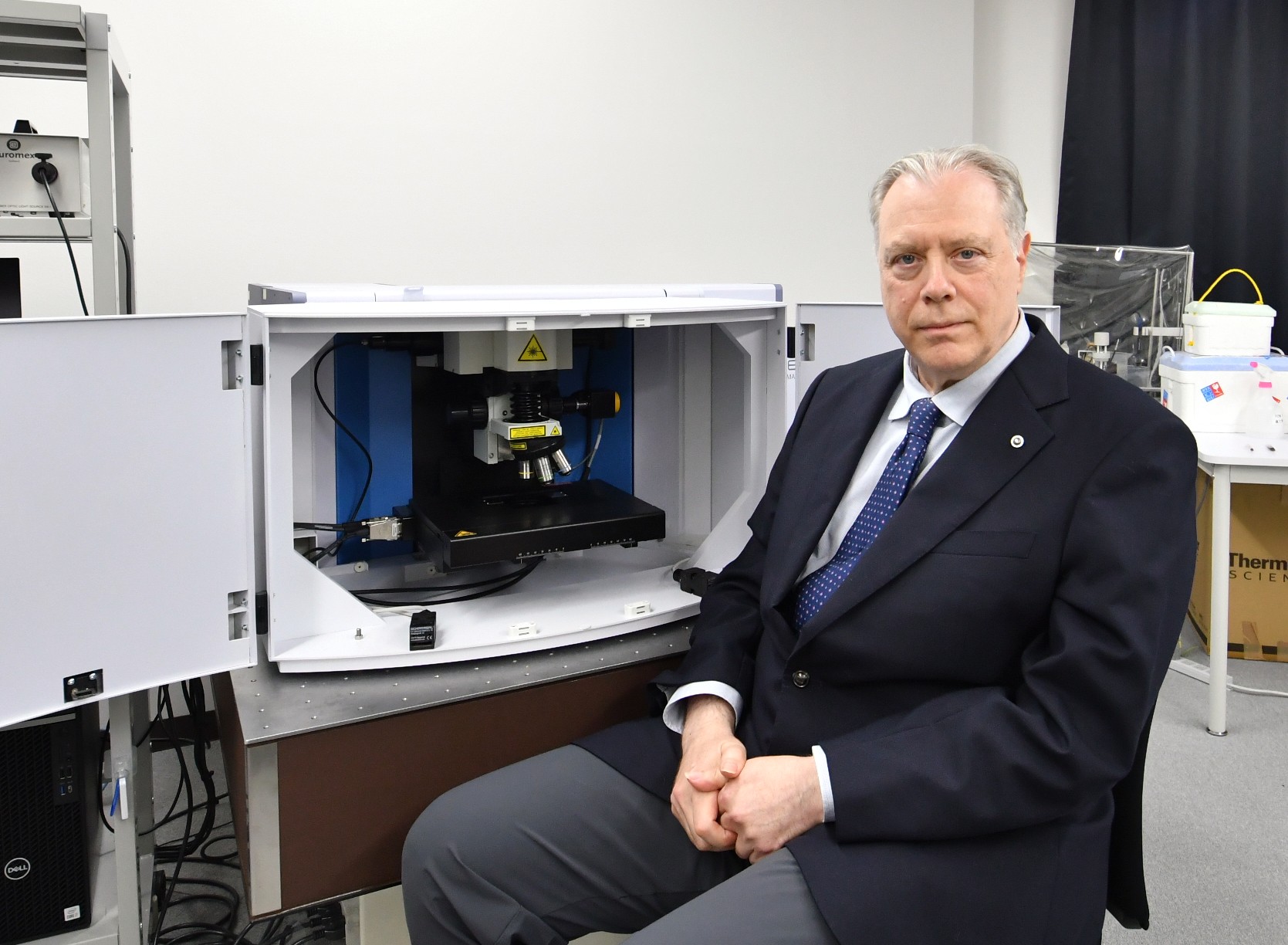
Giuseppe PEZZOTTI
Distinguished Professor・Director of Biomedical Engineering Center, International Center for Biomedical Industrial Promotion
【Field of Expertise】Molecular Medicine
【Degree】Dr. Eng.、Dr. Med.(Orthopedics)、Dr. Med.(Immunology)、Dr. Sci.、Dr. Agr.、Dr. Pharm.
Professor Giuseppe Pezzotti is a distinguished scientist whose interdisciplinary research bridges materials science, applied physics, and molecular medicine, significantly advancing biomedical applications. He has been a full professor at the Ceramic Physics Laboratory of the Kyoto Institute of Technology since the year 2000, and now is a Distinguished Professor at the Biomedical Engineering Center of the Kansai Medical University.
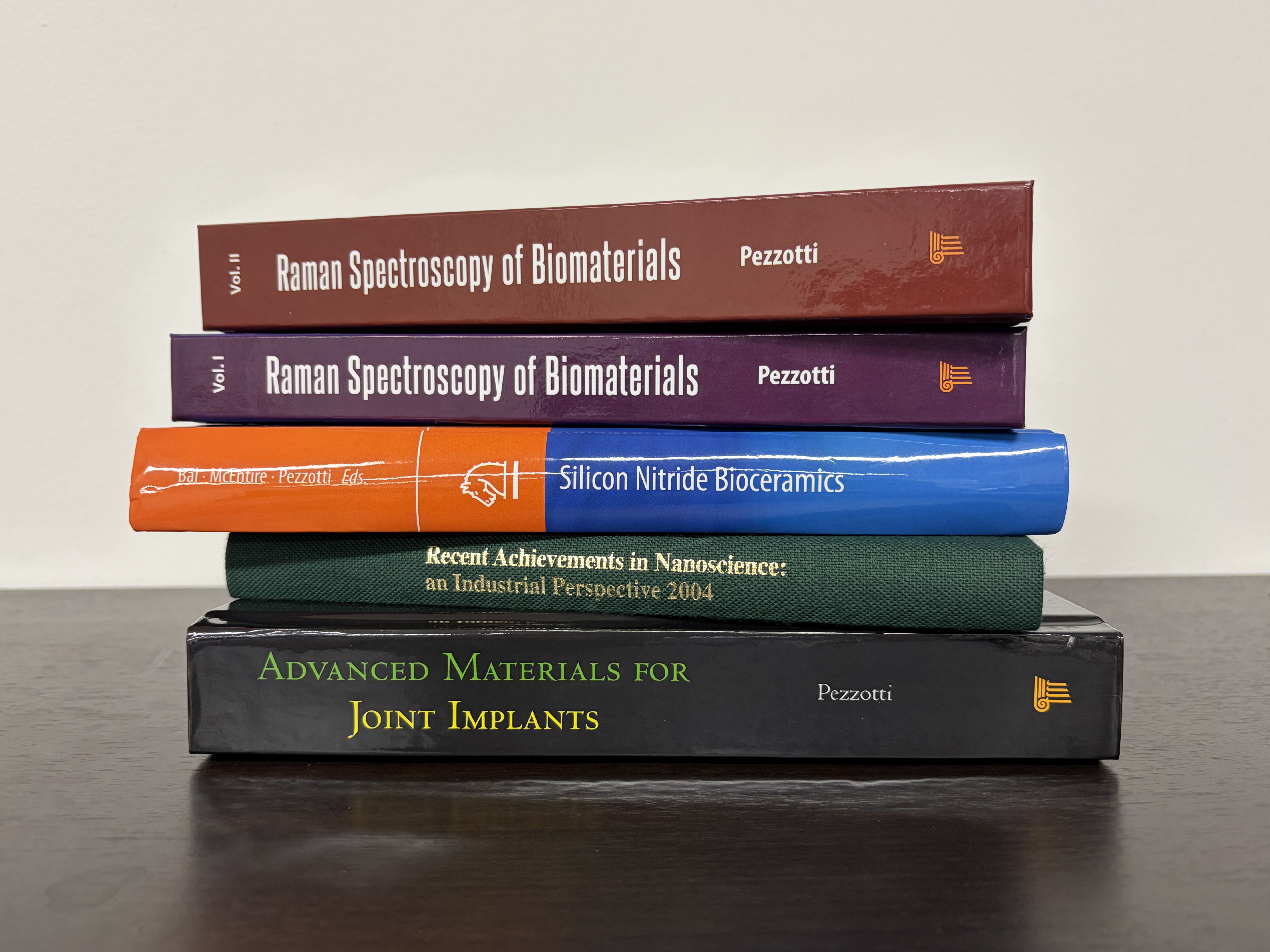
He has pioneered the development of silicon nitride and other bioceramics, which exhibit potent antibacterial properties and have been instrumental in combating pathogens like SARS-CoV-2 and Porphyromonas gingivalis. His innovative use of Raman spectroscopy has enabled in situ molecular analyses, providing real-time insights into cellular processes such as neuronal development and peripheral nerve myelination.
With over 750 scientific publications and multiple patents, including those on antibacterial biomedical implants, Professor Pezzotti's work exemplifies the integration of physics, engineering, and medical science to develop advanced diagnostic tools and therapeutic strategies. His contributions have not only deepened our understanding of disease mechanisms at the molecular level but have also led to practical solutions in preventive medicine, early diagnostics, and infection control, underscoring his pivotal role in the evolution of molecular medicine.
Member
Director・Distinguished Professor
Giuseppe PEZZOTTI KMU Profile | Research Map | KAKEN
Lecturer
Aoi SON KMU Profile | Research Map | KAKEN
Doctoral Program
Saki IKEGAMI (First year)
Ermanno DI SOPRA (First year, Ca'Foscari University of Venice Double Degree)
International Postgraduate Program
Mithouna SIHEUANGXAY (First year)
Postdoctoral Researcher
Xijin ZHU
Researchers
Yoshihiro FUKUSUMI (Biomedical Industrial Promotion Researcher)
Sei SONODA
Alberto ARLETTI
Chiyoko INAGAKI
Fabio SPAGNUOLO
Research Interns
Takashi YAMASHITA
Rintaro OKAWA
Noemi LEPRI
Part-time Research Assistant
Nobuyuki TAKEUCHI Research Map | KAKEN
Assistants
Manami TANAKA
Akiko MORIWAKI